Before You Click 'Download': Unveiling the Hidden Costs and Data Risks of Free VPNs
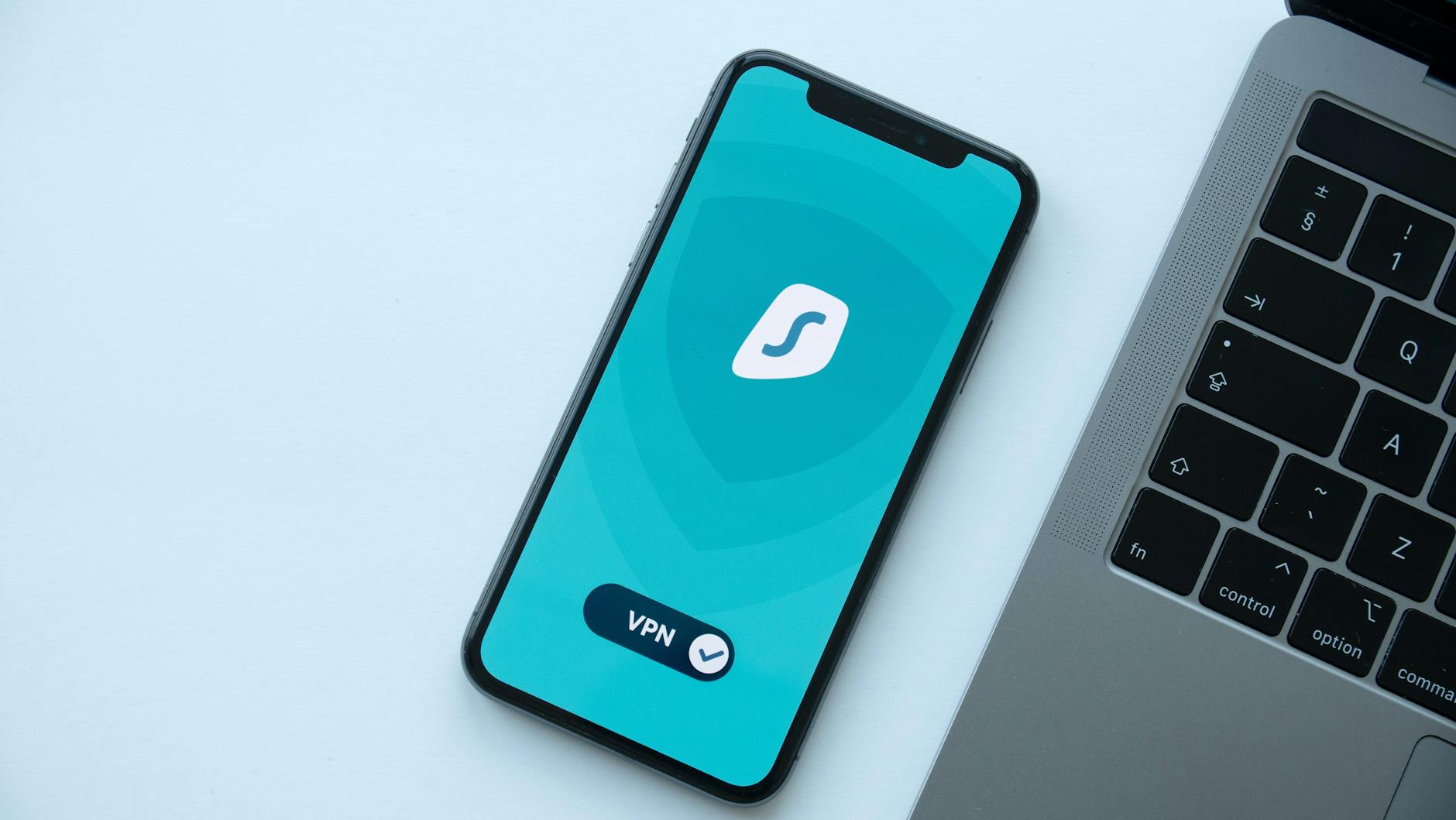
The allure of a 'free' VPN is undeniable, especially when countless providers promise enhanced privacy and unrestricted access with zero upfront cost. However, this enticing offer often comes with a significant catch that savvy users must understand. Many free VPNs operate on business models that are far from transparent, frequently relying on practices that actively undermine the very privacy they claim to protect. This can include anything from injecting intrusive advertisements directly into your browsing experience to collecting and selling your browsing data to third-party advertisers or data brokers. The 'free' tag often signifies that you are the product, your online activity the valuable commodity being traded. Before you hit that download button, it's crucial to consider how these services truly sustain themselves and whether their methods align with your expectations of online security and data integrity.
Beyond the blatant monetization of your data, free VPNs frequently present substantial security vulnerabilities that can leave you more exposed, not less. These services often lack the robust encryption protocols and server infrastructure found in their paid counterparts. This can manifest in several critical ways:
- Weak or outdated encryption standards making your data easily interceptable.
- IP address leaks (DNS leaks, WebRTC leaks) that reveal your true location despite the VPN being active.
- Logging policies that are vague or outright deceptive, meaning your internet activity might be stored even if they claim a 'no-logs' policy.
- Malware or adware bundled within the client software itself, turning your device into an unwitting host for malicious programs.
Using a free vpn chrome extension can be a convenient way to enhance your online privacy and access geo-restricted content directly from your browser. These extensions often offer basic encryption and a selection of server locations, making them a good entry point for those new to VPNs.
Your Pre-Installation Toolkit: Smart Questions to Ask (and Answer) Before Trusting a Free VPN
Before you even think about hitting 'download' on that enticing free VPN, take a moment to equip yourself with a crucial pre-installation toolkit: a set of smart questions. This isn't just about avoiding a bad service; it's about safeguarding your digital life. Ask yourself: What is the VPN's business model? If it's free, how do they sustain their operations? Are they selling your data, bombarding you with ads, or limiting bandwidth to push you towards a paid upgrade? Understanding their revenue stream is paramount to understanding their potential motivations. Also, consider: What are the stated privacy policies? Are they clear, concise, and easy to find? Or are they buried in legalese, hinting at data logging practices you'd rather avoid? A transparent policy is a good sign, but a vague one is a major red flag.
Delving deeper into your toolkit, you need to probe the technical aspects and practical implications. Inquire: What are the server locations and speeds offered? A free VPN with only a handful of overloaded servers will likely lead to frustratingly slow connections and a diminished browsing experience. Furthermore, critically ask: What security protocols are in place? Are they using modern, robust encryption standards (like OpenVPN or WireGuard), or outdated, easily compromised ones? Finally, and perhaps most importantly, challenge yourself with:
Am I comfortable with the potential trade-offs of using a free service, knowing that 'free' often comes at a hidden cost to my privacy or online security?Answering these questions honestly will empower you to make an informed decision, rather than blindly trusting an unknown entity with your valuable online data.